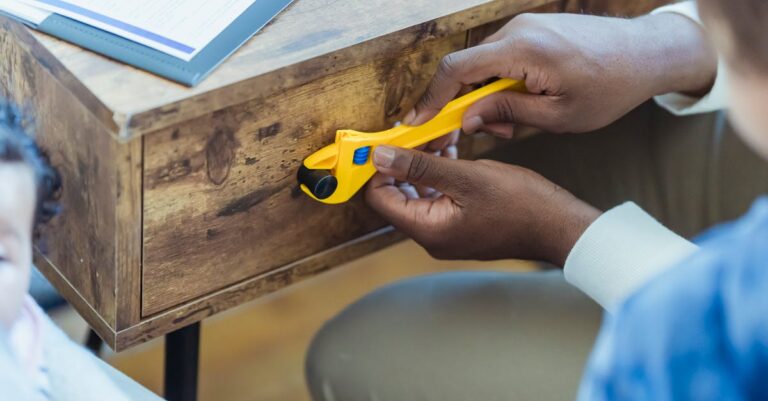
In a world where DIY projects can either lead to stunning home transformations or hilarious Pinterest fails, mastering handiwork proficiency is more essential than ever. Whether it’s fixing a leaky faucet or building that bookshelf that’s been on the to-do list since the dawn of time, having the right skills can turn even the most daunting tasks into a walk in the park—or at least a jog through the neighborhood.
Understanding Handiwork Proficiency
Handiwork proficiency encompasses the skills and knowledge necessary for completing various DIY projects. Mastering these skills empowers individuals to tackle home improvement tasks effectively.
Definition of Handiwork Proficiency
Handiwork proficiency involves a blend of practical skills and theoretical understanding. Individuals exhibit proficiency when they can efficiently execute tasks like carpentry, plumbing, or electrical work. This ability combines technical competence with creativity. Familiarity with tools and materials contributes significantly to proficiency levels. As individuals practice, their confidence and skills improve, leading to more complex project execution.
Importance of Handiwork Proficiency
Handiwork proficiency serves multiple essential roles in daily life. It enhances self-sufficiency, allowing individuals to handle repairs effectively and reduce reliance on professionals. Furthermore, developing these skills leads to significant cost savings in home maintenance. Projects often become less daunting with prior knowledge, inspiring creativity and personal expression. Individuals also contribute to their community through shared skills. Lastly, mastering these skills can foster personal satisfaction, yielding a sense of achievement.
Key Skills Associated with Handiwork Proficiency

Mastering handiwork proficiency relies on essential skills that enhance effectiveness in DIY projects. A combination of practical abilities and theoretical knowledge fosters confidence and creativity.
Fine Motor Skills
Fine motor skills are crucial for precision in tasks like sewing, painting, or assembling. Each specific activity demands careful coordination and control. For instance, cutting intricate designs requires steady hands and attention to detail. Individuals use fine motor skills to manipulate tools adeptly, ensuring accuracy in their work. Success in projects often hinges on mastering these skills, significantly impacting the overall quality of the finished product. Practicing these abilities through regular engagement in DIY activities can lead to steady improvement and greater reliability in outcomes.
Problem-Solving Skills
Problem-solving skills serve as a foundation for effective handiwork. Each DIY project presents unique challenges that require quick thinking and resourcefulness. An individual may face unexpected issues, such as a misalignment when installing shelves. Addressing such obstacles involves analyzing the situation and devising practical solutions. Through experience, one can develop strategies to troubleshoot common problems, enhancing overall success. Gaining proficiency in these skills empowers individuals to tackle more complex tasks confidently, ultimately fostering a sense of accomplishment and independence in home improvement endeavors.
Benefits of Developing Handiwork Proficiency
Handiwork proficiency offers numerous advantages that extend beyond simple home repairs. Personal growth and expanded career options emerge as significant benefits from mastering these skills.
Personal Development
Developing handiwork skills enhances self-confidence. Completing projects reinforces a sense of achievement. It fosters creativity as individuals learn to express themselves through various mediums. Each task presents unique challenges that sharpen problem-solving abilities. Learning new techniques breeds resilience, encouraging individuals to take on more complex projects. Overall, improved handiwork proficiency nurtures a mindset focused on growth and continuous improvement.
Professional Opportunities
Handiwork proficiency opens doors to diverse career options. Professionals skilled in carpentry, plumbing, or electrical work often experience high demand. Job stability and higher earning potential become achievable through these practical skills. Many entrepreneurs leverage their handiwork knowledge to start small businesses, capitalizing on community needs. Certifications in specific trades can enhance credibility and attract potential clients. Ultimately, developing these skills not only boosts personal satisfaction but also enriches career prospects.
Techniques to Improve Handiwork Proficiency
Improving handiwork proficiency involves focused techniques and consistent effort. Individuals can enhance their skills through structured practices and ongoing feedback.
Practice Routine
Creating a dedicated practice routine sharpens handiwork skills. Scheduling specific times each week allows for regular engagement with different projects. Beginners may start with simple tasks before gradually progressing to more complex endeavors. For example, someone could begin with basic woodworking projects like crafting birdhouses and advance to furniture assembly. Consistent practice reinforces fine motor skills and boosts confidence. Setting short-term goals generates a sense of achievement and encourages continued improvement.
Seeking Feedback
Feedback plays a vital role in developing handiwork skills. Sharing work with friends or family offers new perspectives on finished projects. Constructive criticism helps identify areas for growth and refinement. Joining DIY groups or online communities allows individuals to exchange tips and gain inspiration from others. Engaging in workshops or classes provides invaluable insights from experienced craftsmen. Collaborative learning enhances problem-solving skills and nurtures creativity in future projects. Collecting feedback fosters continuous improvement and encourages mastery of handiwork techniques.
Mastering handiwork proficiency is more than just a practical skill; it’s a pathway to personal growth and empowerment. As individuals develop these abilities, they gain confidence and creativity, allowing them to tackle home improvement projects with ease. Each task completed not only enhances self-sufficiency but also fosters a sense of accomplishment that resonates beyond the home.
The journey toward improving handiwork skills opens up new career opportunities and encourages a spirit of resilience. By committing to consistent practice and engaging with communities, anyone can enhance their proficiency and unlock their potential. Embracing this journey not only enriches personal life but also contributes positively to the broader community.